
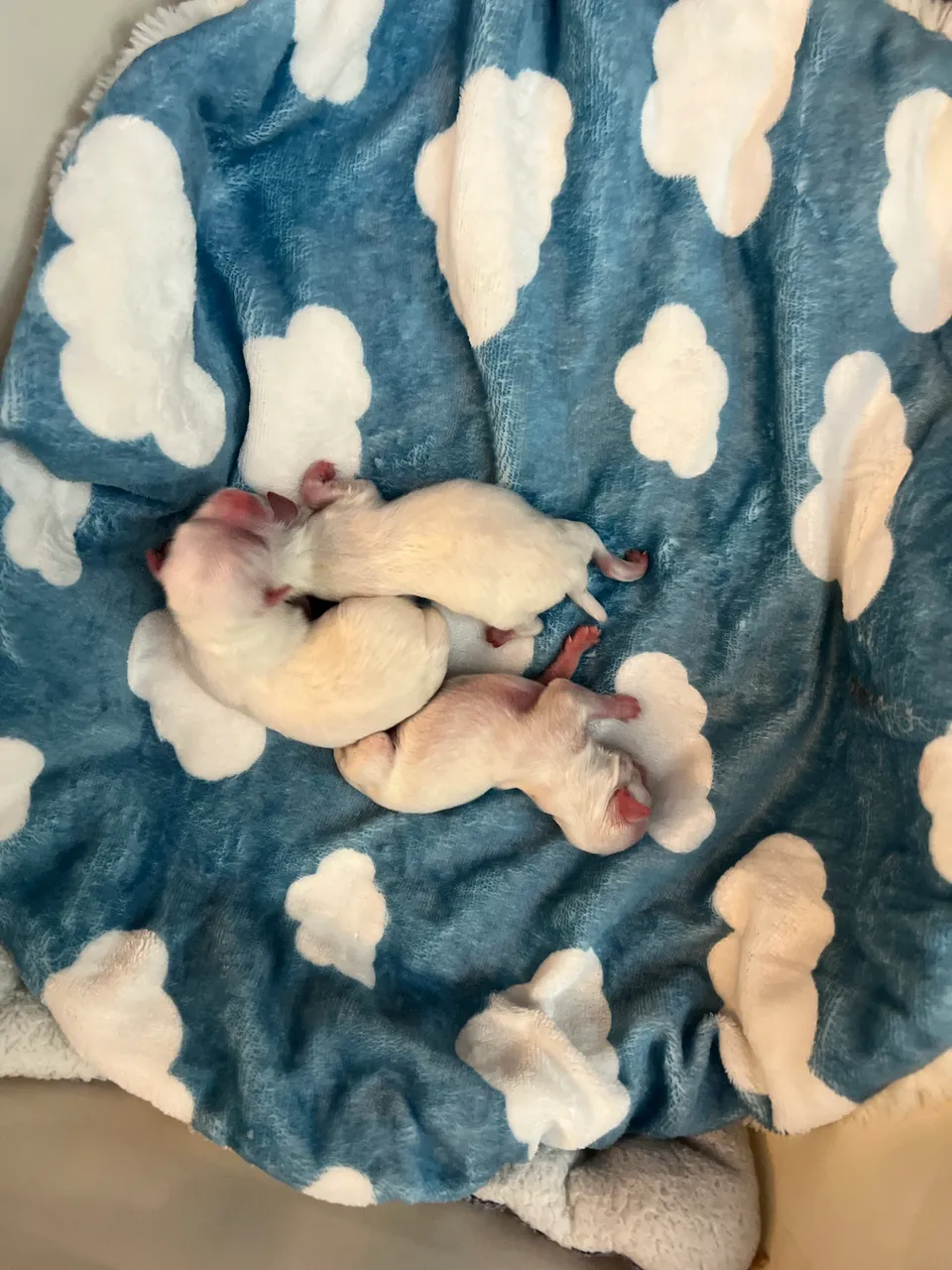
A Fascinating Journey into Maltese Dog Breeding Excellence
Step into the captivating world of canine artistry, where the science and passion behind Maltese dog breeding come alive. This introductory section invites you to explore an industry deeply rooted in tradition yet constantly evolving with modern techniques. The fundamentals of Maltese breeding aren’t simply about meeting breed standards—they’re about nurturing quality companions who thrive in loving homes.
As you read on, you’ll discover insights into key aspects of successful breeding practices, such as:
- Genetic selection: Understanding lineage and temperament for optimal traits.
- Health management: Implementing practical care tips to ensure longevity and vigor.
- Ethical breeding standards: Balancing show potential with the need for companionship.
These focal points provide a robust framework for appreciating the significance of breed preservation and quality pet care. Whether you’re a seasoned breeder or a pet enthusiast eager to learn, this guide will offer actionable tips and practical advice to help you navigate the intricate world of Maltese dog breeding in your local area and beyond.
Journey Through Maltese Heritage
Delve into a rich history that has transformed the Maltese breed from cherished ancient companions to modern-day favorites. With origins tracing back to the Mediterranean region, Maltese dogs have long been admired for their graceful appearance and endearing temperament. Their presence in noble courts and households of ancient civilizations contributes to why many pet enthusiasts around the world continue to embrace this breed.
Today, Maltese dogs hold a special place in local communities and at regional pet events due to several key reasons:
- Historical Legacy: Their storied past adds a layer of depth to their modern appeal.
- Show-Worthy Traits: The refined coat, delicate features, and engaging personality make them ideal candidates for show rings.
- Loving Companions: Their friendly disposition suits both family environments and individual pet owners alike.
Understanding these elements not only enriches one’s knowledge of the breed’s background but also aids pet breeders and enthusiasts in making informed decisions. Whether attending regional dog shows or exploring local breeding practices, a deep appreciation of this heritage paves the way for better care and celebration of these timeless companions.
Breeding Best Practices for Healthy Maltese
When embarking on the journey of Maltese breeding, it’s vital to embrace a balanced approach that prioritizes both quality and health. Responsible breeders focus on maintaining clear genetic lines to produce well-rounded dogs that exhibit both physical beauty and robust health. This process involves thorough screening measures, including regular health checks and genetic testing, as well as a deep understanding of breed standards.
Key strategies include:
- Health Screening: Implement routine veterinary assessments to detect issues early, ensuring puppies have the best start possible.
- Genetic Monitoring: Use available testing to help determine hereditary risks, safeguarding future generations.
- Proper Nutrition and Environment: Provide balanced diets and a stress-minimized living space to promote optimal growth and temperament.
- Ongoing Research: Keep informed about updates in credible breeding practices, which may vary by region or local conditions.
For breeders in areas where Maltese dogs are popular companions, local resources and community networks can be invaluable. By combining a passion for the breed with industry-standard practices, breeders not only enhance the overall quality of the Maltese but also ensure a legacy of health and well-being for these cherished companions.
Frequently Asked Questions About Maltese Breeding
How can I monitor my Maltese’s overall health?
Regular veterinary checks, balanced diets, and proper exercise are essential. Maltese puppies and adults benefit from timely vaccinations and routine dental care. Keep a close eye on their coat condition and energy levels as clear indicators of well-being.
What training challenges are common with Maltese puppies?
Maltese dogs are intelligent yet sometimes stubborn. Consistent, positive reinforcement training helps manage common issues like housebreaking and socialization. Short, engaging sessions are most effective for this sensitive breed.
How do I ensure proper nutrition and exercise for a Maltese?
Balanced meals tailored to small breeds, combined with daily walks or play sessions, maintain optimal health. Adjust portions seasonally and be mindful of weight issues.
What are the best practices in responsible Maltese breeding?
Ethical breeding practices include genetic testing, proper health clearances, and early socialization. This ensures robust offspring with fewer hereditary issues and better temperament for both show and companion roles.
How can I prepare a Maltese for conformation events?
Begin grooming and socializing early, paying special attention to coat care and posture. Early exposure to show environments builds confidence, preparing the dog for the stresses of competitive events.
Preserving Timeless Traits Through Ethical Breeding
Ethical breeding plays a crucial role in maintaining the unique characteristics of Maltese dogs for future generations. By adhering to guidelines that prioritize health, temperament, and conformity to breed standards, ethical breeders ensure that these beloved companions continue to thrive. Focusing on careful selection and responsible practices, the breeding process emphasizes physical soundness and friendly personalities—attributes highly valued in Maltese crosses.
Breeders who maintain high standards not only nurture the traditional traits seen in AKC conformation events but also address common issues such as genetic disorders and temperament challenges. To ensure success in ethical breeding, consider these practical tips:
- Research and Education: Stay informed about best practices and emerging trends in Maltese dog preservation.
- Health and Genetics: Prioritize health screening and genetic testing to reduce hereditary issues.
- Community Collaboration: Join local breeding groups and forums to share experiences and insights.
- Continuous Improvement: Embrace innovations in veterinary care and breeding techniques while upholding established standards.
This approach not only guarantees the well-being of each dog but also contributes to a sustainable future for the breed in local communities and beyond. Ethical breeding truly lays the foundation for a balanced and healthy Maltese dog legacy.
Concluding Insights on Ethical Maltese Breeding
In wrapping up, it is clear that responsible Maltese breeding hinges on thoughtful practices and unwavering care. This comprehensive guide has highlighted the importance of selecting breeding pairs based on health, temperament, and conformation. Adopting best practices not only improves the overall quality of your Maltese line but also contributes to the breed’s long-term well-being.
Key takeaways include:
- Prioritize rigorous health screenings and genetic testing.
- Invest time in understanding each dog’s temperament and lineage.
- Implement structured care routines that support both physical and mental well-being.
- Embrace ongoing education to stay current with ethical breeding trends and innovations.